.png?w=204&h=18)

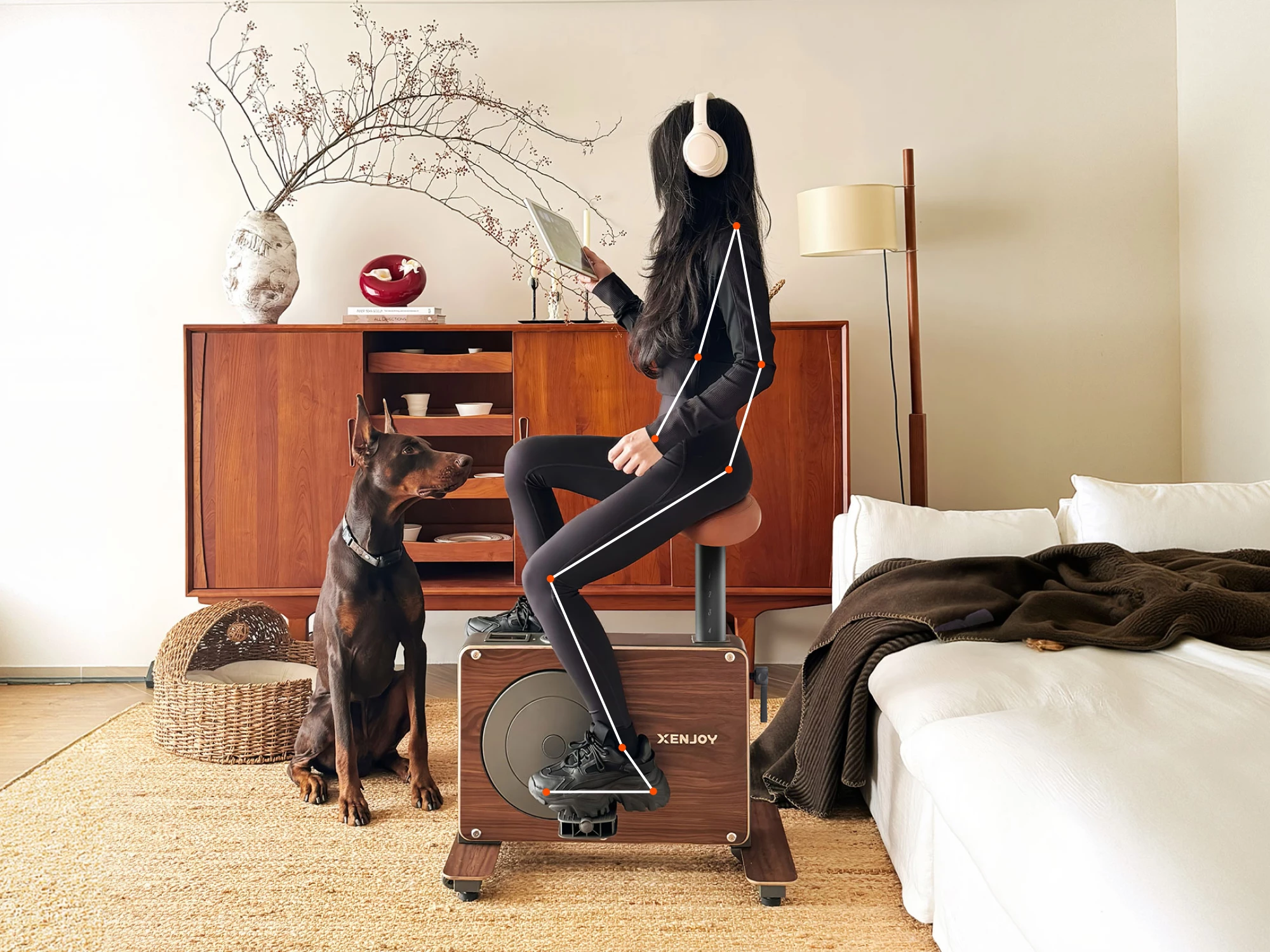
In the world of indoor cycling, your spin bike position can make all the difference in your workout experience and effectiveness. Whether you’re a seasoned cyclist or just starting out, understanding the proper stance on your spin bike is essential for maximizing performance and minimizing the risk of injury. This guide will walk you through finding the perfect position on your XENJOY Cube Cycle, designed for interior connoisseurs and health-minded professionals alike.
Why Proper Spin Bike Position Matters
When it comes to cycling, your body’s alignment on the bike can impact not only your comfort but also your ability to generate power and endurance. A proper spin bike position allows for efficient pedaling and helps you engage the right muscle groups while avoiding strain. Poor positioning can lead to fatigue, discomfort, and even injuries over time. Therefore, investing the time to adjust your bike correctly is crucial for a successful spinning journey.
Adjusting the Saddle Height
The first step in achieving the proper spin bike position is to adjust the saddle height. When seated, your knee should be slightly bent at the bottom of the pedal stroke, ensuring that you are not overextending your leg. A good rule of thumb is to set the saddle height so that it aligns with your hip bone when standing next to the bike.
To find this ideal height, follow these simple steps:
-
Stand Beside the Bike: Align the bike with your hip bone.
-
Adjust the Saddle: Raise or lower the saddle until it fits snugly with your hip's height.
-
Sit and Test: Take a seat on the bike, place your feet on the pedals, and cycle slowly. Your legs should have a slight bend at the bottom of the pedal rotation. If your leg is fully extended or overly bent, readjust accordingly.
Finding the Right Saddle Position
Once the height is established, the next focus is the saddle's fore-and-aft (forward and backward) placement. Your saddle position influences the distribution of your weight and how effectively you can pedal.
To adjust the saddle position:
-
Sit on the Bike: Clip in or position your feet on the pedals comfortably.
-
Check Your Knee Alignment: While pedaling, ensure your knee sits directly above your ankle in the 3 o'clock position. If it leans too far forward or back, reposition the saddle closer or further away from the handlebars.
-
Make Incremental Adjustments: Small adjustments can significantly affect comfort and performance, so take your time finding that sweet spot.
Handlebar Height and Reach
After setting the saddle, turn your attention to the handlebars. The handlebar height will depend on your personal comfort and riding style. Generally, higher handlebars promote a more upright position, ideal for beginners or those seeking a relaxing ride, while lower handlebars encourage a more aggressive posture favored by experienced users.
To adjust the handlebars:
-
Start with a Comfortable Height: Many riders prefer the handlebars to align with the saddle height, but personal preference plays a critical role.
-
Test Different Heights: Experiment with different settings throughout your rides. Too low might strain your back; too high may not allow for optimal power output.
-
Check Your Reach: When gripping the handlebars, your elbows should maintain a slight bend—this reduces tension and allows for better breathing while cycling.
Final Touches and Consistency
Finally, before you embark on your workouts, ensure all adjustments are locked in and secure. Familiarize yourself with your new setup over several rides to understand its effects on your performance. Remember, your body might require time to adapt, so give yourself grace as you fine-tune your position.
Consistency is key. Regularly check your position, especially after long periods of inactivity or changes in workout intensity. As you progress in your cycling journey, your needs may evolve; stay attuned to your body signals and adjust accordingly.
Conclusion
Achieving the proper spin bike position is essential for enjoying a safe, comfortable, and effective workout on your XENJOY Cube Cycle. Not only will it enhance your cycling experience, but it will also help you optimize your performance over time. By adjusting your saddle height, fore-and-aft position, and handlebars, you'll unlock the full potential of your spin bike. Embrace your cycling rituals in style, knowing you’ve positioned yourself correctly for a fulfilling and invigorating ride! Enjoy the journey towards improved fitness and well-being, and remember—your bike’s positioning is a big part of your success story.
.png?w=158&h=18)