.png?w=204&h=18)

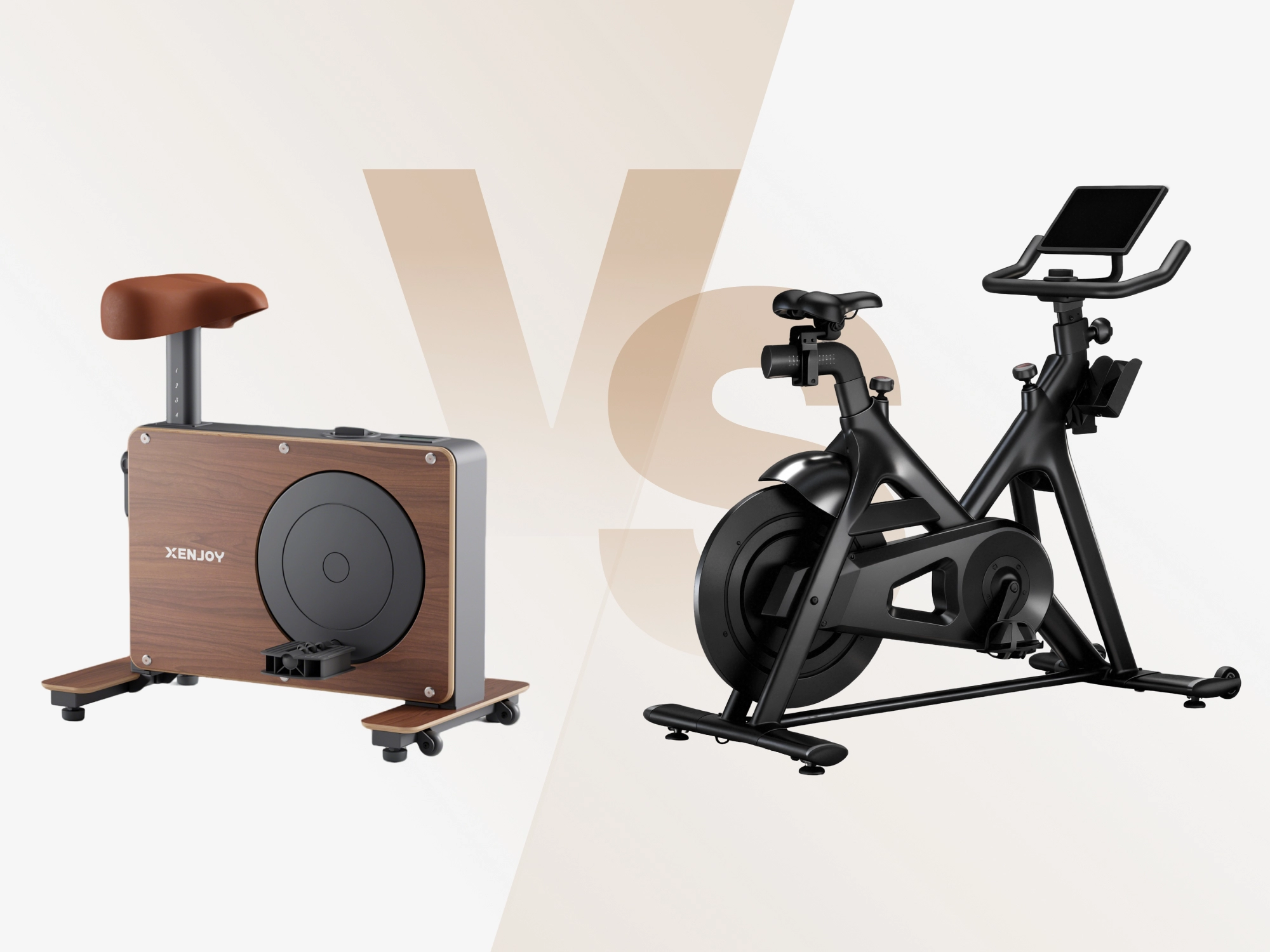
Thinking about adding a stationary bike to your home gym? Good call. It’s a great way to boost your heart health, burn calories, and get a solid workout—without worrying about traffic or weather.
But here’s the question most people ask right away: Should I go with a desk (sitting) bike or an upright one?
Both are solid choices—but they’re built for different needs, comfort levels, and workout goals. I’ve worked with beginners, athletes, and folks coming back from injuries—and trust me, choosing the right bike makes a big difference in how consistent and motivated you stay.
Let’s break it down so you can make the smart pick for your body and your goals.
Desk Bike: Built for Comfort and Support
If comfort is your top priority, the desk bike wins—hands down. With a large, cushioned seat and a supportive backrest, this setup puts your body on a desk. Your legs pedal out in front of you rather than down below.
This makes a big difference in how your body feels during and after the ride.
What It’s Great For:
-
People with back pain or joint issues
-
Older adults who want low-impact cardio
-
Anyone recovering from injury or surgery
-
Pregnant women looking for safe, comfortable movement
Muscle Use & Workout Intensity:
A desk bike mainly works your lower body—quads, hamstrings, glutes, and calves. Because the position is so relaxed, the workout can feel easier, which may mean a slightly lower calorie burn compared to upright bikes. Still, it gets your heart rate up and improves your cardiovascular fitness—especially with consistent use.
Upright Bike: Feels Like Riding Outside
The upright bike is your more classic, road-bike-style machine. It’s got a smaller saddle seat, pedals underneath your body, and handlebars in front—just like a standard bicycle.
If you like traditional cycling or want to simulate an outdoor ride, this is your best bet.
What It’s Great For:
-
Athletes or cycling enthusiasts
-
High-intensity interval training (HIIT)
-
People who want a more intense, full-body ride
-
Riders focused on calorie burn and performance
Muscle Use & Workout Intensity:
Upright bikes also hit your lower body, but here’s the kicker—they also engage your core. You need more balance to stay upright, especially during sprints or when you stand on the pedals. This makes it easier to burn more calories in less time, and add variety to your workouts (like hill climbs or interval bursts).
Comfort, Form, and Injury Prevention
Let’s talk comfort and joint safety, because they really do matter.
-
Desk bikes are super gentle on your knees and hips. The seated position takes pressure off your joints, making them a great choice if you’ve got arthritis or past injuries.
-
Upright bikes, on the other hand, can be tough on joints if your form isn’t right. Without a backrest, you need to support your posture using your own strength, which some people find tiring after a while.
That said, with good form and gradual progression, upright bikes are completely safe for most people.
Fitness Goals: Which Bike Gets You There Faster?
Here’s the truth: both bikes work, as long as you use them consistently.
-
Want low-impact cardio that feels easier on your body? Go desk.
-
Want higher intensity, faster calorie burn, and more challenge? Go upright.
The best bike is the one you’ll actually want to use. If a desk bike keeps you coming back day after day, you’ll make more progress than forcing yourself to use a bike that feels uncomfortable.
Other Features to Look For
No matter which bike you choose, keep an eye out for these extras—they make a big difference:
-
Resistance Levels: Make sure the bike has a good range, so you can challenge yourself as you improve.
-
Pre-set Programs: Helpful for guided workouts and keeping things fresh.
-
Flywheel Weight: Heavier flywheels usually offer a smoother, more natural ride.
-
Smart Features: Bluetooth, app integration, or tracking data can boost your motivation and progress.
Comparison Table: Desk vs Upright Bike
Here’s a quick side-by-side to help you choose based on what matters most to you:
| Feature | Desk Bike | Upright Bike |
| Body Position | Suit for any desks | Upright, similar to outdoor cycling |
| Comfort Level | High – wide seat, full backrest | Moderate – small saddle, no back support |
| Muscles Targeted | Lower body only | Lower body + core |
| Workout Intensity | Lower to moderate | Moderate to high |
| Calorie Burn Potential | Moderate | Higher (especially with HIIT) |
| Joint Impact | Very low impact | Higher impact if form is off |
| Best For | Beginners, injury recovery, older adults, long sessions | Athletes, HIIT lovers, traditional cyclists |
| Space Needed | Usually larger footprint | More compact |
| Workout Variety | Steady-state cardio | Intervals, climbs, sprints |
| Core Engagement | Minimal | Moderate to high |
| Standing Pedal Option | Not possible | Yes, for hill simulation and sprints |
Final Thoughts: Which One’s Right for You?
Both desk and upright bikes have their place in a smart home workout routine. You just need to match the bike to your fitness level, comfort needs, and personal goals.
-
Choose a desk bike if you want a comfortable, easy-on-the-joints workout you can do consistently.
-
Choose an upright bike if you’re chasing performance, calorie burn, or that "road bike" feel.
.png?w=158&h=18)