.png?w=204&h=18)

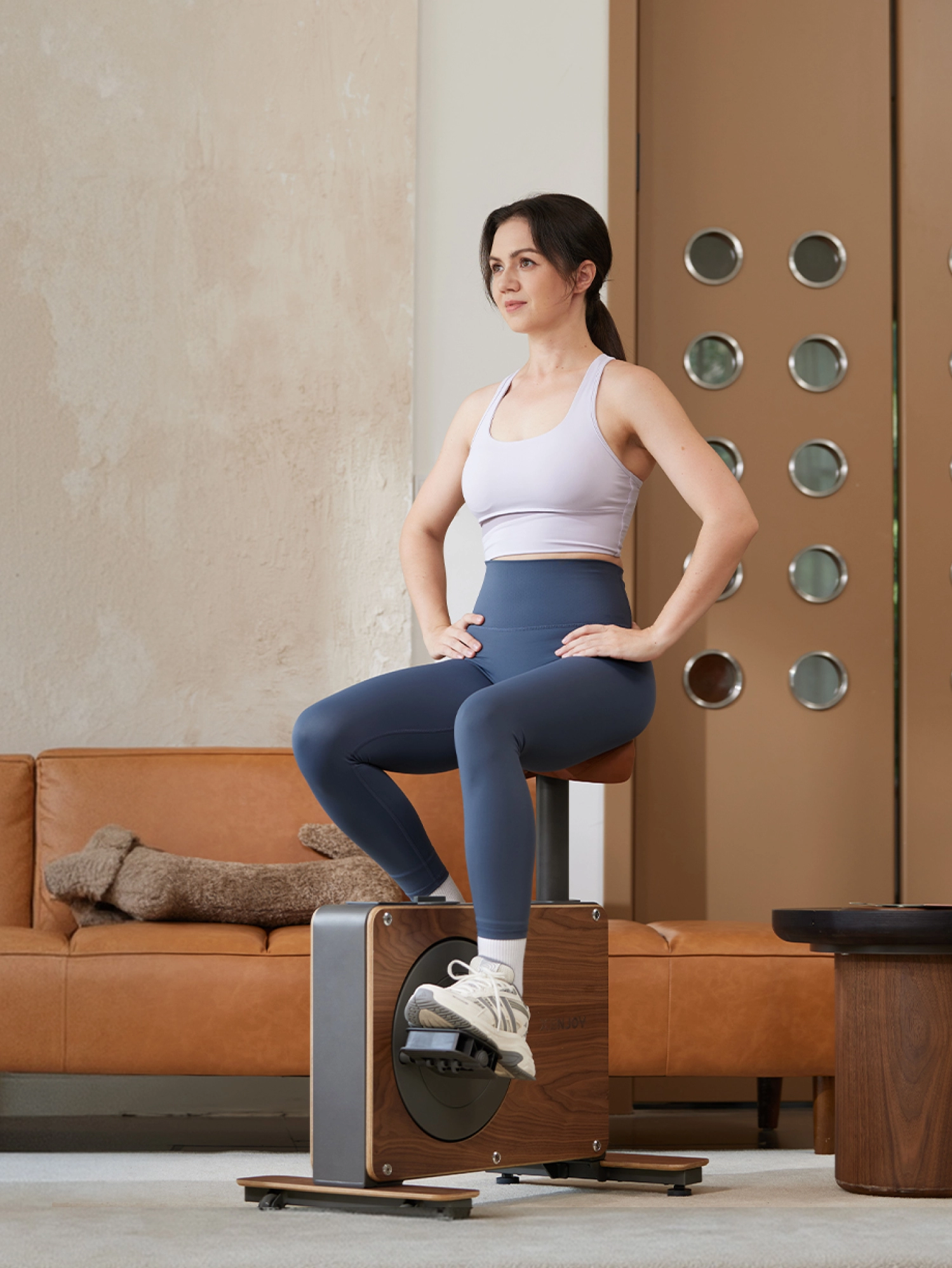
You’re might thinking about getting in shape—but maybe you don’t want to depend on perfect weather, a gym membership, or high-impact workouts that leave your knees aching.
That’s where the exercise bike comes in. It’s simple, easy to use, and surprisingly powerful when it comes to your health. Whether you're just starting your fitness journey or looking for a reliable way to stay in shape, a regular cycling routine at home can seriously change the game.
-
It’s Great for Your Heart and Lungs
Cardio doesn’t have to mean running for miles. Hop on a stationary bike and you’re giving your heart and lungs exactly the kind of workout they need.
Strengthens Your Heart
Cycling makes your heart work harder in the best way. Over time, it gets stronger and more efficient at pumping blood. That means your whole body gets better oxygen delivery—without your heart having to work overtime.
Improves Lung Capacity
Every time you pedal, you’re teaching your lungs to breathe deeper and more efficiently. That added lung power comes in handy whether you're climbing stairs, walking your dog, or chasing after your kids.
Helps Manage Blood Pressure and Cholesterol
Regular rides can help lower high blood pressure and improve your cholesterol levels. And that’s not just theory—there’s solid science behind it. Cardio like biking is one of the best tools for heart health.
-
It Helps You Lose Weight (and Keep It Off)
If weight loss is one of your goals, an exercise bike can absolutely help.
Burns Calories Fast
Depending on your pace, you can burn anywhere from 300 to 600 calories an hour. The more effort you put in, the more you get out. Even shorter rides can add up over time.
Targets Full-Body Fat
You can’t choose where the fat comes off first—but cycling regularly helps reduce overall body fat, including those stubborn spots like the belly, hips, and thighs.
Boosts Your Metabolism
Regular cardio makes your body more efficient at burning calories—even when you’re not exercising. Think of it as raising your body’s “idle speed.”
-
It Builds Stronger, Leaner Legs
Let’s talk lower body. Every push of the pedals works a whole group of muscles, helping you tone and strengthen as you go.
Works Quads and Hamstrings
These are the big muscles on the front and back of your thighs. The push and pull of cycling builds strength and endurance fast—without needing weights.
Shapes Glutes and Calves
Want to tone your backside and lower legs? Cycling hits both, especially if you add some resistance to the pedals.
Improves Leg Stamina
You’ll notice daily tasks get easier—long walks, stairs, standing at work. Less leg fatigue means more energy for life.
-
It’s Easy on Your Joints
Unlike running or jumping workouts, a stationary bike keeps things low impact—which is great news for your knees, hips, and ankles.
Gentle Motion, Less Stress
Your feet never leave the pedals, and the circular movement reduces pounding on your joints. That’s why biking is a favorite for people with arthritis or joint pain.
Helps With Mobility and Recovery
Cycling helps circulate the fluid in your joints, which keeps them moving smoothly. That means less stiffness and more flexibility over time.
Perfect for Rehab or Beginners
If you’re coming back from an injury or just easing into fitness, a stationary bike is one of the safest ways to move your body and rebuild strength.
-
It’s a Mental Health Booster, Too
Your body isn’t the only thing that benefits from a ride—your brain does, too.
Lifts Your Mood
Every time you hop on the bike, your body releases feel-good hormones called endorphins. They naturally boost your mood and help ease anxiety or stress.
Clears Your Head
The rhythm of cycling is a great way to quiet your thoughts. It’s almost meditative. Many people use it as “me time” to mentally reset.
Helps You Sleep Better
Getting regular exercise helps your body wind down more naturally at night. You’ll fall asleep faster and wake up feeling more refreshed. Just try not to ride too close to bedtime—give your body a little time to relax first.
-
Tips to Make the Most of Your Ride
To really see results—and stay motivated—try these simple strategies:
Set Realistic Goals
Start small. If you're new to biking, try 15–20 minutes a few days a week. Then build up from there. Celebrate small wins.
Mix Up Your Intensity
Don’t ride at the same pace every time. Try interval training—pedal hard for 30–60 seconds, then take it easy for a minute or two. It boosts calorie burn and keeps things interesting.
Focus on Good Form
Adjust your seat so there's a slight bend in your knee at the bottom of your pedal stroke. Keep your back straight and shoulders relaxed. Poor form leads to aches and wasted effort.
Quick View Table: What You Gain from Cycling at Home
Here’s a quick snapshot of the benefits of using an exercise bike regularly:
| Benefits | How It Helps You |
| Cardio Health | Strengthens heart & lungs, lowers blood pressure |
| Weight Loss | Burns calories, reduces body fat |
| Lower Body Strength | Builds and tones legs, glutes, and calves |
| Joint-Friendly | Low-impact, reduces stress on knees and hips |
| Mental Well-Being | Boosts mood, reduces stress, improves sleep |
| Flexible and Convenient | Works in any weather, fits into busy schedules |
| Rehab-Friendly | Safe for injury recovery and older adults |
| Customizable Intensity | Easy to adjust for beginner or advanced workouts |
| Consistent Results | Builds endurance, strength, and long-term fitness |
Final Thoughts: Why an Exercise Bike Just Makes Sense
A stationary bike might seem basic—but don’t underestimate it. It’s one of the most effective, convenient, and joint-friendly ways to get fit from the comfort of home.
Whether your goal is to lose weight, build strength, improve heart health, or just feel better mentally—cycling checks every box. And with the right routine and a little consistency, you’ll start seeing (and feeling) the results.
So go ahead—dust off that bike or invest in one that fits your space and goals. Start slow, keep showing up, and watch your body and mind transform.
.png?w=158&h=18)